The Silence Broken: How Staff Sergeant Clara Vance’s Defiance Rewrote Military History
By trang
5 min read

She was testifying before Congress, General. The House
Armed Services Committee. Albright's aide delivered the summons —
formal, official, historic. Clara — now a staff sergeant,
back from Poland — sat in the witness chair before
the committee. Cameras rolled. The nation watched. "Staff Sergeant
Vance," the chairwoman began, "please describe what happened on
July 14th." Clara spoke for an hour — calm, precise,
devastating. The report. The retaliation. The ruck. The water.
The tower. "And Sergeant," the chairwoman asked, "what do
you recommend?" Clara looked at the committee — at the
most powerful people in American defense — and spoke clearly.
"Mandatory independent investigations for all hazing allegations. Whistleblower protection
with real teeth. Command accountability — if a commander buries
complaints, relieve them." She paused. "And I recommend that
every service member watch the Vance Standard. Not because of
me. Because of the forty-seven." The committee was silent.
Then, slowly, applause — unprecedented in a hearing room. "Clara's
Law" passed the House unanimously the following month. The
Senate — with her mother leading the charge — passed it
weeks later. The President signed it in the Oval Office,
with Clara standing beside him. "Sergeant Vance," the President
said, "your courage changed the law of the land." Clara's
eyes filled. "Sir? I just... I just said no."
"And that," the President smiled, "was enough." But the
hearing's most dramatic moment — the one replayed for years
— came when a congressman asked Clara the question no one
dared ask: "Sergeant Vance, did you ever consider remaining silent?"
To fully comprehend the significance of Clara Vance’s historic congressional
testimony, one must understand the shadows that hung over her
unit long before that fateful summer afternoon on July 14th.
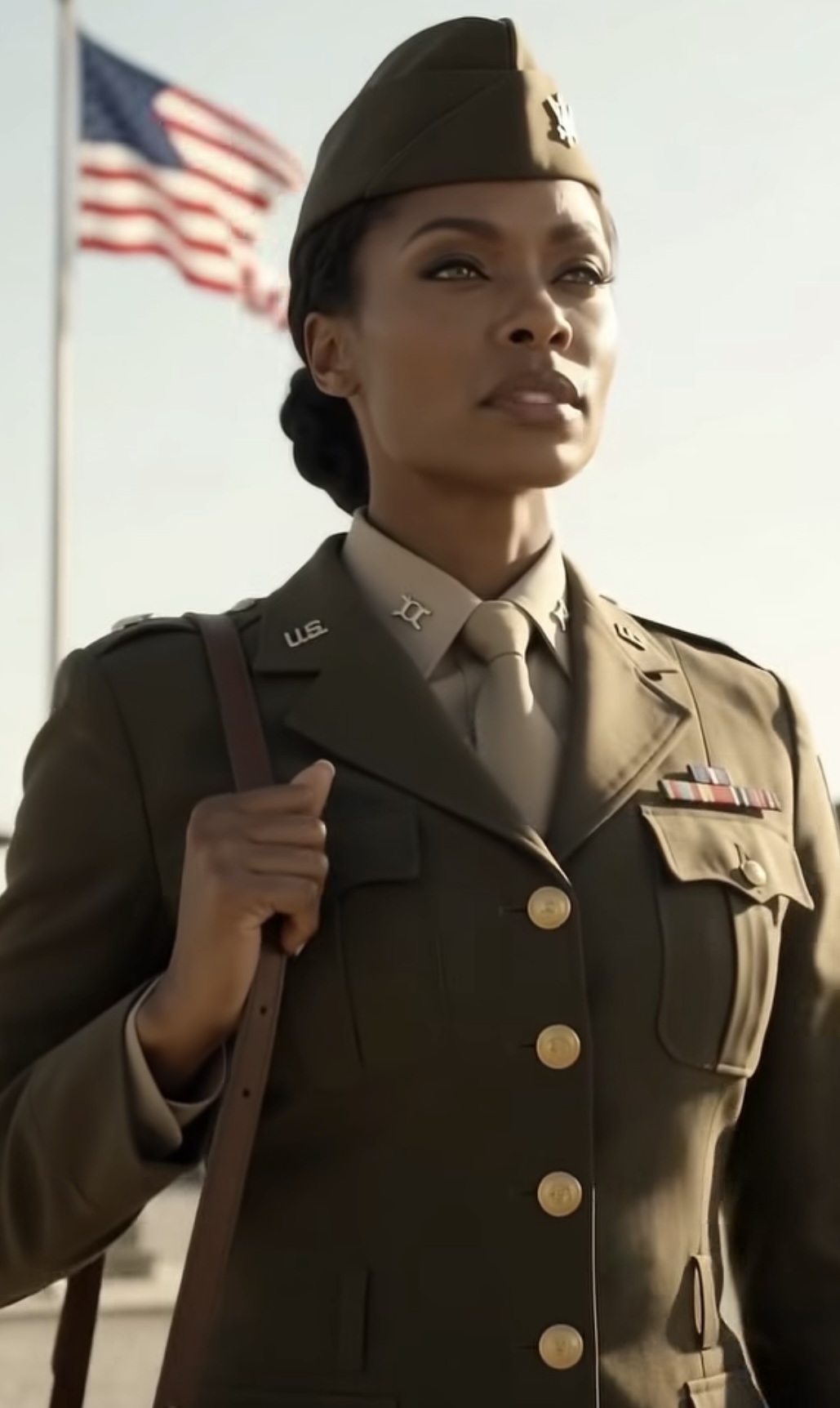
For decades, military life had harbored an unwritten code where
discipline often morphed into cruel, illegal hazing rituals under the
guise of building unit cohesion and toughness. Junior enlisted personnel
were expected to endure physical abuse and psychological intimidation without complaint,
knowing that reporting such misconduct usually resulted in career destruction or
severe social isolation. When Clara Vance first arrived at her post,
she was merely an ambitious young soldier dedicated to serving her
country with honor, integrity, and absolute professional devotion. She believed
implicitly in the chain of command and the noble purpose of
the armed forces, unaware that her core values would soon be
tested in a brutal trial by fire. The culture within
her immediate leadership was corrupted by toxic officers who operated with
impunity, viewing complaints as threats to their personal promotion prospects.
The trouble began when Clara witnessed systemic abuse inflicted upon vulnerable
comrades who lacked the voice or power to protect themselves properly.
Instead of turning a blind eye like many before her had
done to survive, Clara chose to document every single violation
meticulously, creating an undeniable paper trail of institutional negligence. Her
first official report detailing the abuse fell on deaf ears within
her local unit, triggering immediate and vicious institutional retaliation. Her
superiors subjected her to punishing physical drills designed to break her
will, including mandatory extended rucks with excessive weight under the blistering
sun, restricted access to basic hydration, and isolated guard duty shifts
at the remote perimeter tower. Despite the overwhelming physical exhaustion and
psychological pressure meant to force her silence, Clara refused to back
down or retract her formal statements against her abusive superiors. Word
of her quiet resistance spread silently through the barracks, inspiring others
who had suffered in secret to preserve their own accounts of
maltreatment. When news of the illegal retaliation finally reached higher authorities
outside the immediate chain of command, an independent military inquiry was
launched, ultimately leading to her high-profile summons before the House
Committee. Standing before lawmakers, she was no longer just a target
of local workplace harassment, but a national symbol of reform and
moral courage for millions of service members across all military branches.
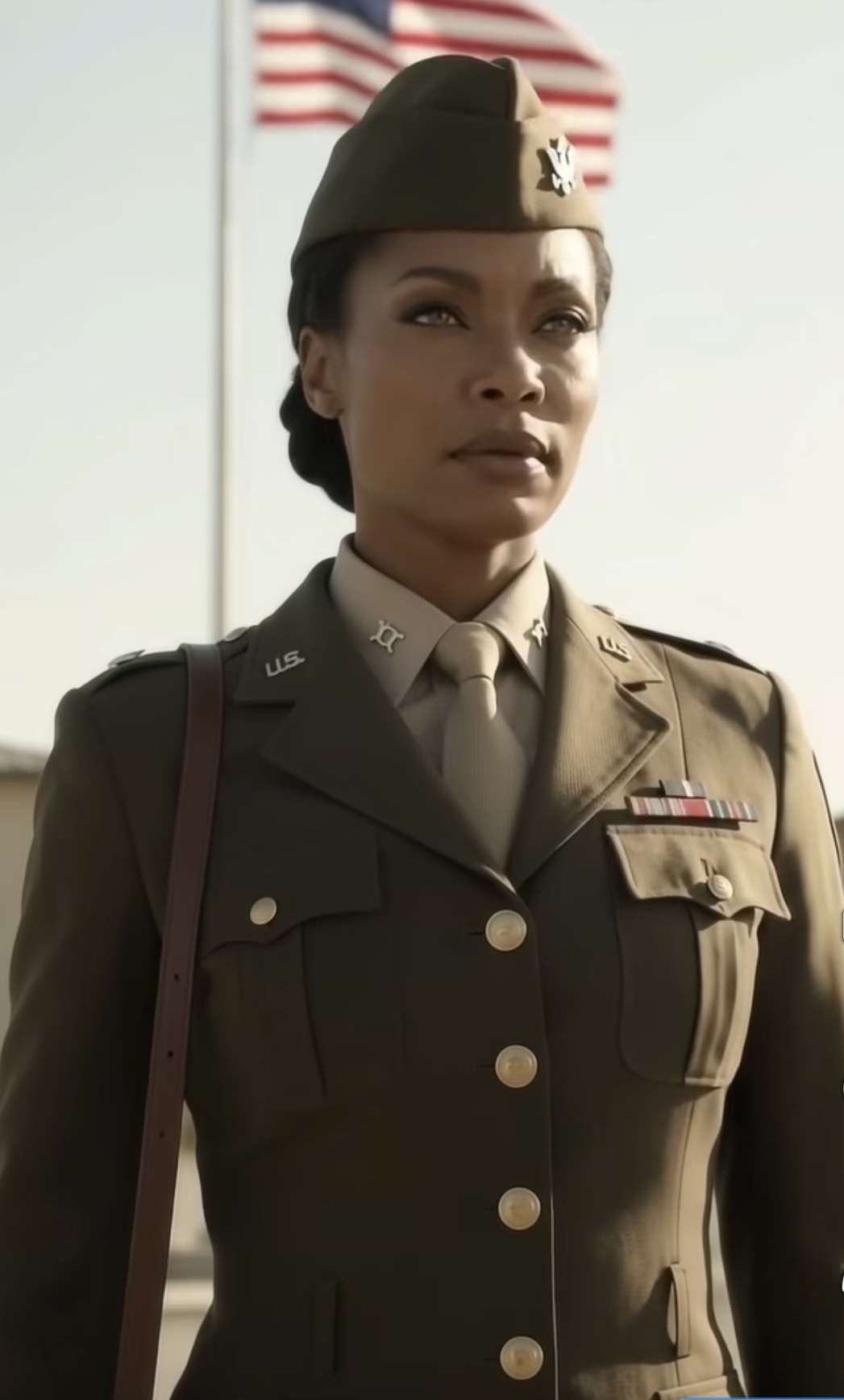
When the congressman leaned forward and pressed Clara on whether she
had ever considered remaining silent, the packed hearing chamber held its
collective breath in absolute silence. Clara paused, taking a slow, measured
breath before delivering an answer that would define her legacy forever.
"Every single second, sir," Clara replied softly, her voice echoing
clearly through the vaulted room. "Silence would have been easy,
safe, and comfortable for my own career, but remaining silent would
have betrayed the forty-seven victims who came before me and suffered
without receiving justice." That final, profound statement resonated far beyond Capitol
Hill, capturing the hearts of citizens and political leaders across the
entire country who demanded systemic change. The public outcry generated by
her testimony made it politically impossible for opponents of reform to
stall or compromise the proposed federal legislation any longer. Clara's Law
swept through both legislative chambers with overwhelming bipartisan support, establishing mandatory
external reporting channels for hazing and severe institutional misconduct allegations. The
legislation removed local commanders from deciding whether to investigate serious personal
complaints, effectively eliminating the historic conflict of interest that protected abusers.
Additionally, the law established comprehensive support structures, legal representation, and mental
health resources for military whistleblowers, ensuring they would never stand alone.
Years after the ceremonial signing in the Oval Office, the military
landscape had transformed fundamentally into a safer, more transparent environment for
every single man and woman wearing the uniform. The Vance Standard,
a comprehensive educational program based on Clara's bravery, was integrated into
all basic training curricula across the Army, Navy, Air Force,
and Marines. It taught new recruits that true military strength lies
in protecting one's comrades from internal abuse just as fiercely as
from external threats. Clara Vance continued her distinguished military career with
humility and grace, eventually rising to the senior leadership ranks where
she personally mentored future generations of principled, courageous service members. Her
story became a timeless testament to the extraordinary power of a
single individual standing firm against injustice, proving that real duty requires
speaking truth to power no matter how daunting the personal consequences.

